The Local Guide to St Georges Basin Golf Club
At a Glance: The Story Snapshot
| Feature | Details |
| Experience Type | Active Recreation / Golf |
| Best Time of Year | Crisp Winter Mornings & Late Autumn |
| Ideal Duration | 4–5 Hours |
| Atmosphere | Grounded, Communal, Quietly Competitive |
| Proximity to Hubs | 10 minutes from Vincentia |
Playing 18 holes at the Basin feels like a quiet walk through an Australian wildlife reserve, with the added benefit of a cold tap beer waiting at the end. The fairways offer enough width for a relaxed round, but the dense, unforgiving coastal scrub demands respect from the tee.
The South Coast Slow-Down: A Guide to Golfing St Georges Basin
As you leave the Princes Highway and head toward the coast, the pace immediately slows. The scent of salt air and eucalyptus replaces city traffic, setting the tone for a relaxed day at St Georges Basin Golf Club.
Early mornings are calm and unhurried, with locals gathering over coffee as the sun rises across the fairways. The welcoming atmosphere reflects the club’s community spirit, where visitors and regulars share the course with equal ease.
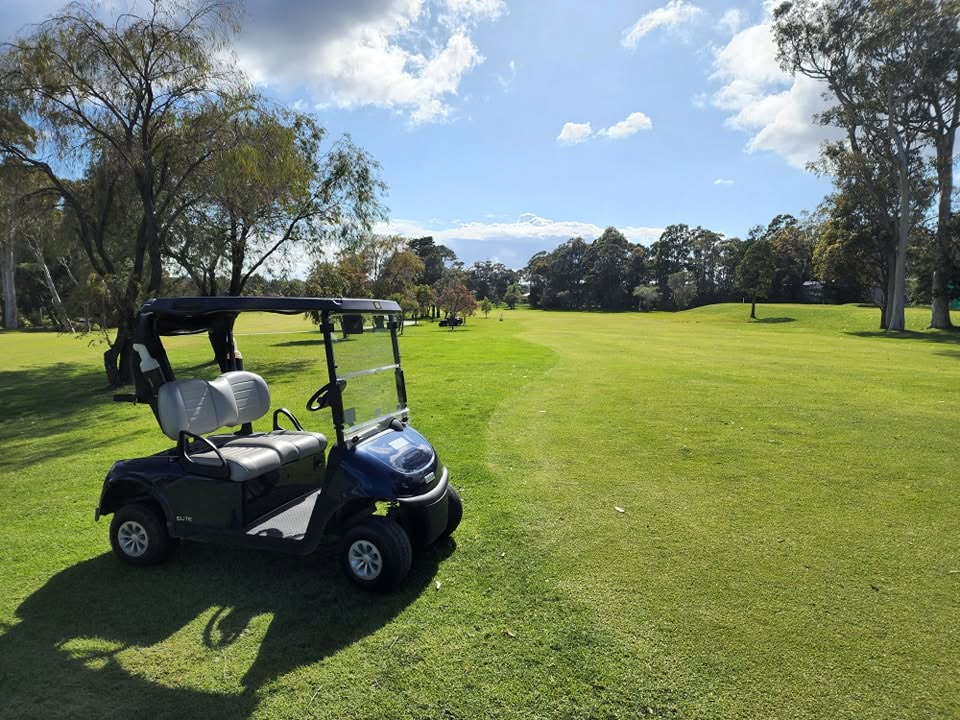
The Pro Shop experience is simple and friendly. Affordable green fees, easy access to carts, and a laid-back approach make the course accessible to golfers of all skill levels. Whether you’re paired with experienced locals or fellow holidaymakers, the expectations are straightforward: keep pace, repair your pitch marks, and enjoy the round.
Where the coastal bush dictates the play
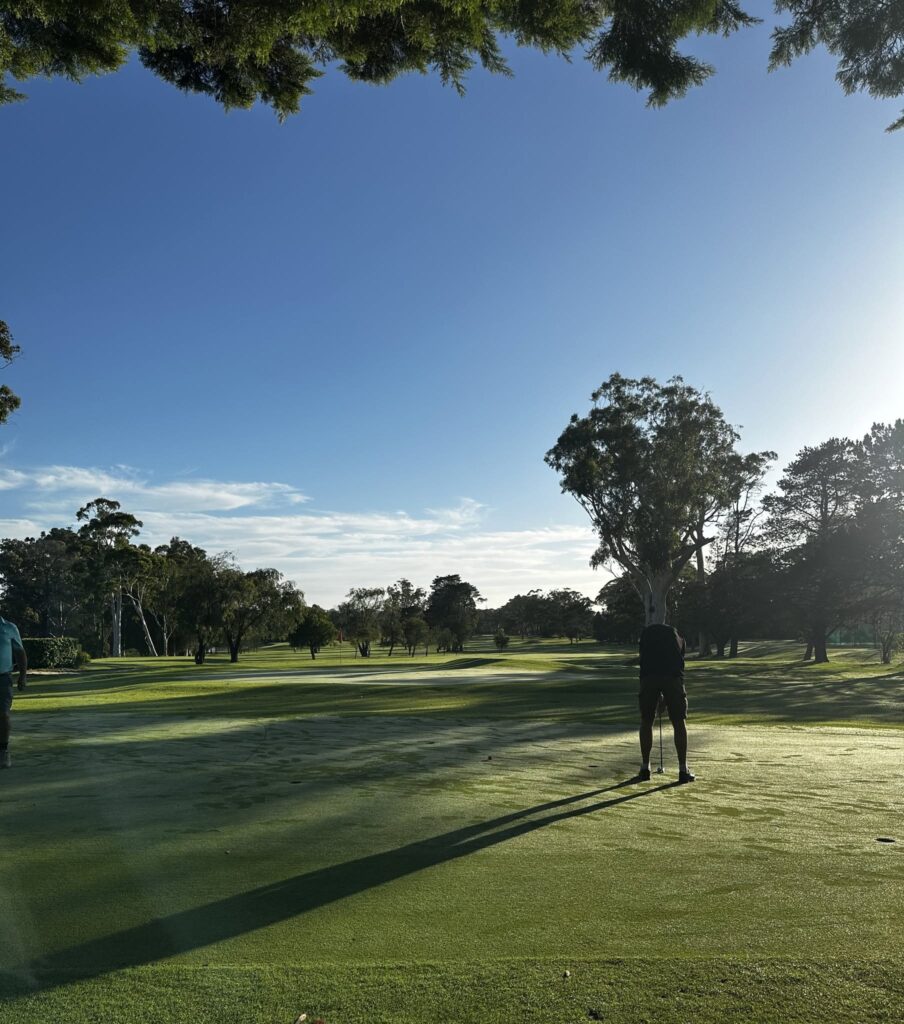
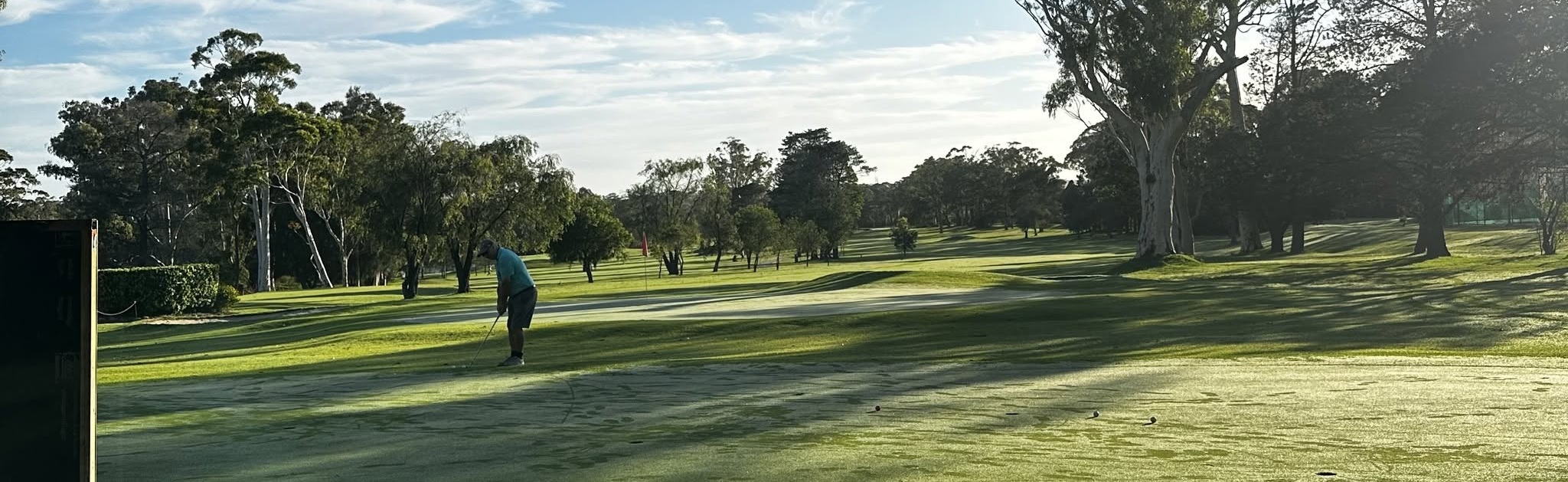
The Basin offers a relaxed golfing experience shaped by its natural surroundings. The course winds through native coastal woodland, with fairways framed by paperbarks, stringybarks, and casuarinas.
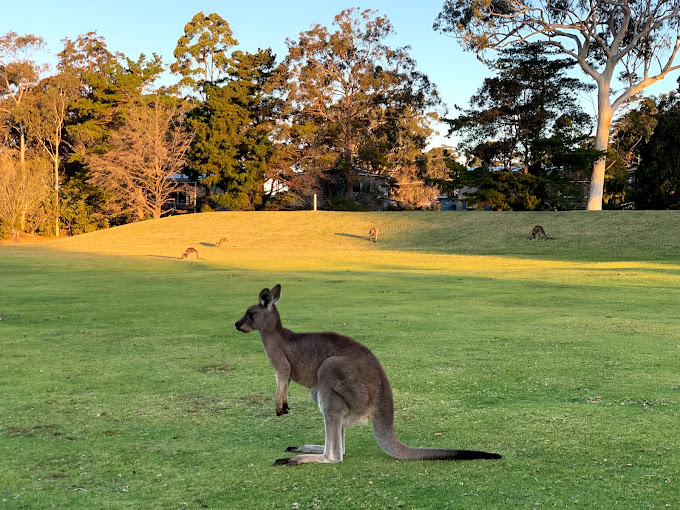
Wildlife is part of every round. Eastern grey kangaroos regularly gather on the fairways and near the greens, while eastern whipbirds and yellow-tailed black cockatoos provide a constant soundtrack from the surrounding bush.
The opening par 5 invites a confident drive, but the course quickly becomes more demanding. Tight fairways and dense coastal scrub leave little room for error, and wayward shots are often best left behind. Success here comes from accuracy and course management rather than power alone.
Navigating the back nine and the basin breeze
As the morning progresses into midday, the wind begins to pick up, sweeping across the shallow, tidal waters of St Georges Basin just a few streets away. This steady breeze fundamentally changes the character of the course. A short par 4 suddenly requires a punched, low-iron shot to keep the ball under the wind, while the 475-metre par 5 ninth hole turns into an exhausting slog against the gusts. It forces you to think about trajectory and spin, rather than relying on sheer distance off the tee.
The short par 3 tenth hole, sitting at just 106 metres, looks benign on the scorecard. Yet, depending on the wind direction and the pin placement on the sloping green, club selection can vary wildly from a wedge to a mid-iron. It is these short, highly technical holes that typically require precision and careful course management over driving distance.
The 19th hole and the hum of the club
The clubhouse maintains a relaxed atmosphere, requiring only neat casual attire and collared shirts rather than a strict formal dress code. You are sharing the space with residents who have played this exact layout every Tuesday and Saturday for three decades. They know exactly how the greens break toward the water and which specific branches overhang the doglegs on the 14th hole.
Walking off the 18th green, you cross the asphalt straight into the sprawling main building of The Country Club. The transition from the quiet focus of the course to the low hum of the club is immediate. Inside, the carpet is heavily patterned, the air conditioning is sharp and cold, and the sound of the afternoon meat raffle or the clinking of heavy glass schooners from the main lounge provides a steady background track. You order a cold tap beer and a plate of salt-and-pepper squid from the On Point Kitchen, taking a seat by the window to watch the next group try to navigate the final fairway. The conversation at the table moves slowly, shifting from missed putts to the incoming dark weather system rolling over the escarpment.
Practical Magic & Insider Edge
Weather patterns on the turf
- Morning tee times are necessary in summer: The coastal humidity peaks heavily by 2:00 PM in January, turning the back nine into a sweltering march. Book a tee time before 8:00 AM through the Pro Shop to catch the cool morning air and the most active kangaroo mobs.
- Park smart at the perimeter: The main Country Club carpark fills rapidly on weekends with patrons heading to the bowling greens, the Chinese restaurant, or the auditorium shows. Park near the lower perimeter close to the Pro Shop for an easier exit when your legs are tired.
- Manage your tee shots carefully: The dense tree lines on holes like the par 4 13th often make it difficult to recover from inaccurate drives. Hitting a reliable hybrid or long iron off the tee will save you half a dozen lost balls over the round.
- The pacing rule: Allow a solid four hours for a group of four. The pace of play is relaxed, and aggressively pushing the group ahead of you is considered poor form by the regulars.
Winter golf on the South Coast is widely regarded as one of the best times of the year to play. The westerly winds drop, leaving crisp, completely still mornings where the sky is a sharp, cloudless blue. The ball travels further on the firm, dormant fairways, and the lack of humidity makes walking the 18 holes comfortable. Summer rounds require managing the heat and the inevitable afternoon sea breeze that stiffens by midday, altering club selection by two or three sizes on the exposed sections of the course.
What to pack in the bag
- An extra sleeve of cheap balls for the back nine scrub.
- A lightweight windbreaker—the temperature drops sharply when the southerly breeze comes off the water.
- A strong insect repellent. The paperbark swamps near the perimeter holes breed aggressive mosquitoes immediately following heavy rain.
Local Hospitality: Staying with Experience Jervis Bay
By mid-afternoon, the clubs are packed away and the short drive back to your holiday accommodation begins. One of the advantages of staying in Sanctuary Point, St Georges Basin, or Vincentia is that there is no long journey home after a round. Instead, you can enjoy a relaxed drive through quiet coastal streets as the evening settles over the region.
Returning to an Experience Jervis Bay property marks the shift from the focus of the course to the slower pace of a South Coast evening. After a shower and a chance to unwind, the rest of the day is yours to enjoy.
For golfing groups, spacious homes in Sanctuary Point can provide a convenient base, often featuring large kitchens, outdoor entertaining areas, and ample space to gather after a round. Evenings often centre around the dining table, where stories from the round are shared over a meal and a glass of wine.
If you prefer to combine golf with beachside relaxation, Vincentia places you just minutes from the course while offering easy access to the crystal-clear waters of Jervis Bay and nearby Orion Beach. Staying near the beach offers a relaxed balance of active mornings and quiet coastal afternoons.
As the day comes to a close, light the barbecue, open the doors to the cooling sea breeze, and settle into the easy coastal lifestyle that makes Jervis Bay such a memorable golf destination.
The Perfect Day Extension
A morning on the St Georges Basin course pairs naturally with the quieter side of the region. Once you leave the Country Club, you can experience a quieter side of the region by taking The Basin Walk. The path winds closely along the shallow, tidal water’s edge, shaded by towering gums, offering a flat, easy walk to stretch out tight calves after a long round.
If you need coffee before your tee time, the local bakeries in Sanctuary Point open long before dawn, serving strong, dark espresso and heavy meat pies to the tradesmen and early golfers. Later in the week, you might swap the golf clubs for a paddleboard, launching from the calm, grassy reserves of Palm Beach, Sanctuary Point, where the water is flat and shielded from the heavy coastal swell.