
Whale Watching Jervis Bay: A Local Guide
- (02) 4441 6311
- cruise@jervisbaywild.com.au
- Jervis Bay Wild, Field Street, Huskisson NSW, Australia
- jervisbaywild.com.au
The Activity Snapshot
| Detail | Specification |
|---|---|
| Distance / Duration | 2 to 3-hour marine expeditions |
| Difficulty Level | Grade 1 (Minimal walking, requires moderate sea legs and tolerance for ocean swells) |
| Surface Type | Marine vessel decks, timber wharves, and occasionally wet gangways |
| Dog Friendly | No (Dogs are welcome on the Dolphin Cruises.) |
| Accessibility Friendly | Yes! Let us know when booking and we can ensure you are on board our accessibility-friendly boat, Port Venture. |
| Closest Town / Parking | Huskisson / Currambene Creek public wharf |
Our rating: This marine expedition offers an immersive wildlife encounter on the South Coast, where visitors can observe the annual migration of humpback whales. The experience typically involves some exposure to offshore winds and ocean swells.
The Departure Point
Winter mornings in Jervis Bay are typically brisk. By late June, the cooler temperatures clear away the summer humidity, offering clear and crisp coastal views. Whale watching tours typically depart from Huskisson Wharf, where visitors board their vessel before heading into the sheltered waters of Jervis Bay and out to the open ocean. Winter mornings can be cool, so it’s worth arriving with warm clothing and allowing plenty of time before departure.
Once the vessel leaves the wharf, the experience shifts from the calm waters of Jervis Bay to the open ocean beyond the heads. Whale watching is nature-based, so every trip is different. Skippers follow seasonal migration routes and changing ocean conditions to maximise the chances of sightings while providing a safe and enjoyable experience.
Deep Dive: Navigating the Humpback Highway
The journey begins in the protected estuarine waters of Currambene Creek. Established local operators, including Jervis Bay Wild, navigate the waterways around Jervis Bay using their local knowledge of tides, weather conditions, and seasonal whale movements. The journey typically begins in the sheltered waters near Huskisson before heading beyond the bay into the open ocean in search of migrating humpback whales.
Crossing the Threshold
As the vessel passes Point Perpendicular and Bowen Island, conditions can become a little more open and exposed, particularly on windier days. Depending on the weather, passengers may notice larger swells and cooler winds. Winter days can bring us stunning, sunny days with relatively calm seas, but bringing a warm jacket and a beanie can make the trip more comfortable. For cloudier, drizzly days don’t let the forecast put you off: the whales and dolphins are perfectly at home in the rain, and cruising through a moody, misty bay has its own kind of magic.
Reading the Surface Tension
Spotting whales often involves scanning the horizon for signs such as the mist from a whale’s blow or movement on the water’s surface. Experienced crew members are trained to recognise these subtle indicators and regularly share what they are seeing with passengers throughout the cruise.
The Physical Encounter
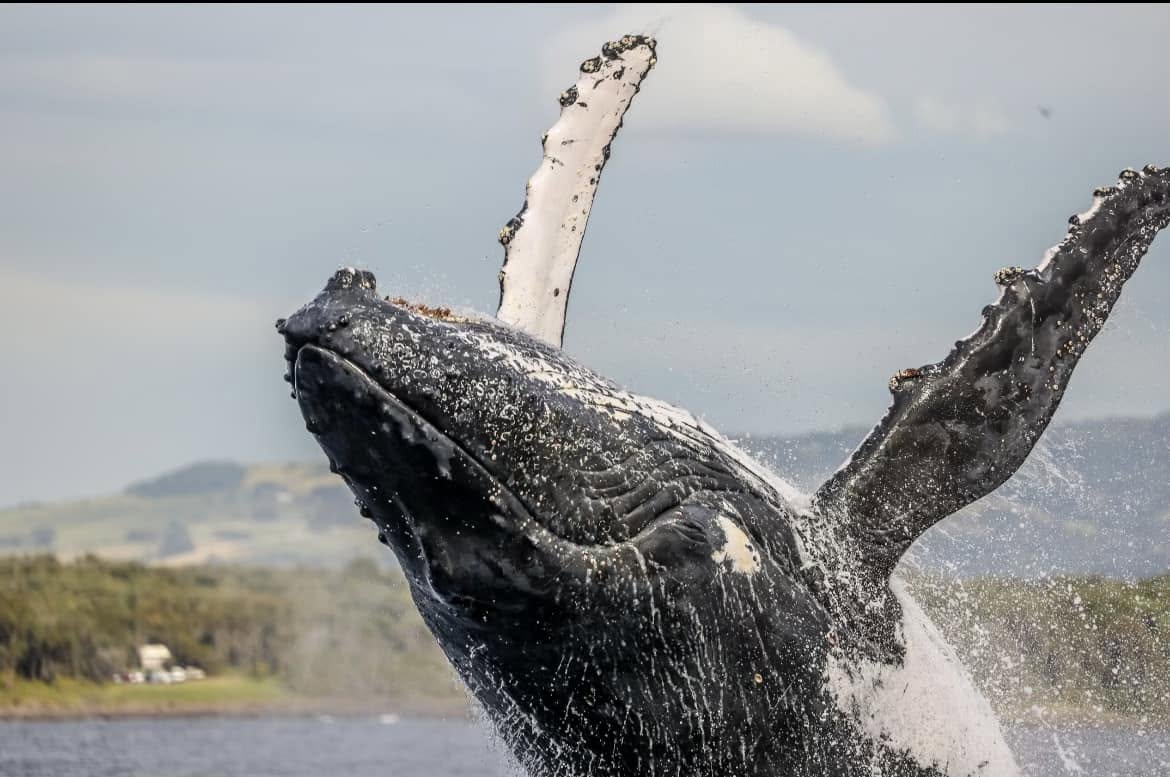
One of the highlights of a whale watching cruise is seeing humpback whales surface close to the vessel. Depending on the day, visitors may witness behaviours such as breaching, tail slapping, spy-hopping, or playful interactions between whales. Every encounter is unique, and sightings vary throughout the migration season, making each trip a little different from the last.
The Local Insider’s Edge
Exclusive Guest Offer: Book your stay with Experience Jervis Bay and receive one complimentary whale watching ticket with Jervis Bay Wild. Valid for stays between 15 May and 15 November. Limit of one free ticket per booking.
The Wind Direction Sets the Tone: Weather conditions can have a noticeable impact on sea conditions and visibility. Calmer days often provide a smoother ride and make whale spotting easier, while stronger winds may create larger swells. Checking the local marine forecast before your cruise can help you choose conditions that best suit your comfort level.
The Glare Factor: By 10:00 AM, the winter sun sits low over the eastern horizon. Staring into the glare while spotting a distant pod can leave your eyes feeling tired. High-quality polarized sunglasses are recommended, as they reduce surface glare and can make it easier to spot whales beneath the water before they surface. Just up on Owen Street beside their on-street office lies Nature Lodge Optics who sell both polarized glasses and binoculars suited for whale watching on the boats or on land!
Put the Lens Down (Now and Then): It’s tempting to watch the whole three-hour expedition through a camera viewfinder, but breaching can happen quickly, and you might miss the moment while adjusting focus. Try watching the horizon with your own eyes first, then raise the camera once a pattern starts to form.
A Little Prep Goes a Long Way: If you’re prone to motion sickness, consider taking preventative medication before boarding at the pharmacy up on the main street, as it’s generally more effective when taken before the vessel reaches open water.
Layering for the Deck: The temperature on the water can feel noticeably colder than in the carpark. Bring a warm mid-layer, a waterproof windbreaker, and a beanie.
Stay with Experience Jervis Bay
After a few hours on the water, many visitors enjoy returning to comfortable accommodation where they can warm up, freshen up, and relax. Experience Jervis Bay offers a range of holiday homes across Huskisson, Vincentia, and surrounding areas, making it easy to unwind after a day of whale watching.
- For the Active Explorer. Guests returning from a day on the water may appreciate properties with outdoor showers, laundry facilities, and space to store wet clothing and outdoor gear.
- For the Family Adventurer. Families may appreciate larger holiday homes with spacious living areas, laundry facilities, and comfortable indoor spaces to relax after a whale watching cruise.
- For the Solitary or Quiet Seeker. If you’re looking for a quieter stay, Experience Jervis Bay also offers smaller holiday homes and cabins in peaceful locations such as Old Erowal Bay and the quieter parts of Vincentia. These properties provide a relaxed setting where you can unwind after a day on the water.
The Perfect Pairing
No need to go far before or after your cruise — Fishermans Wharf Cafe is right here, making it the easiest way to bookend your time on the water. Grab a coffee before you board to warm up ahead of departure, then head back after the cruise for a classic serve of fish and chips, best enjoyed overlooking the wharf you just sailed out from.