Learning to Surf in Jervis Bay: A Local’s Guide
At a Glance: The Story Snapshot
| Feature | Details |
| Experience Type | Surf Instruction |
| Best Time of Year | September – April |
| Ideal Duration | 2–3 hours |
| Atmosphere | Patient/Encouraging |
| Proximity to Hubs | 15–20 mins from Huskisson |
Why We Love It: Learning to surf here isn’t about adrenaline; it’s about understanding the specific rhythm of the South Coast tides with someone who grew up reading them. Taking a surf lesson offers a hands-on way to bridge the gap between observing from the sand and actively enjoying the water.
The South Coast Slow-Down: Learning to Read the Jervis Bay Surf
The morning air in Jervis Bay carries a distinct weight—a blend of drying salt and the cool, damp earth from the surrounding eucalypts. You might be watching the horizon from the deck of a rental house in Vincentia, coffee in hand, observing the way the light catches the whitecaps. The water is a central focus of the area, heavily influencing the local coastal lifestyle and daily pace.
For those watching from the shore, the prospect of paddling out can feel daunting. Transitioning from an observer on the shore to someone who can navigate the gentle swells of the bay is an engaging way to experience this stretch of coast. It’s a rhythmic, physical conversation with the Pacific. Whether you’re coming down the Princes Highway to escape a deadline or winding through the Highlands, stepping into the water with a local instructor is the quickest way to calibrate your internal clock to local time.
The Deep Dive: The Rhythm of the Break
Where the Bush Meets the Tide
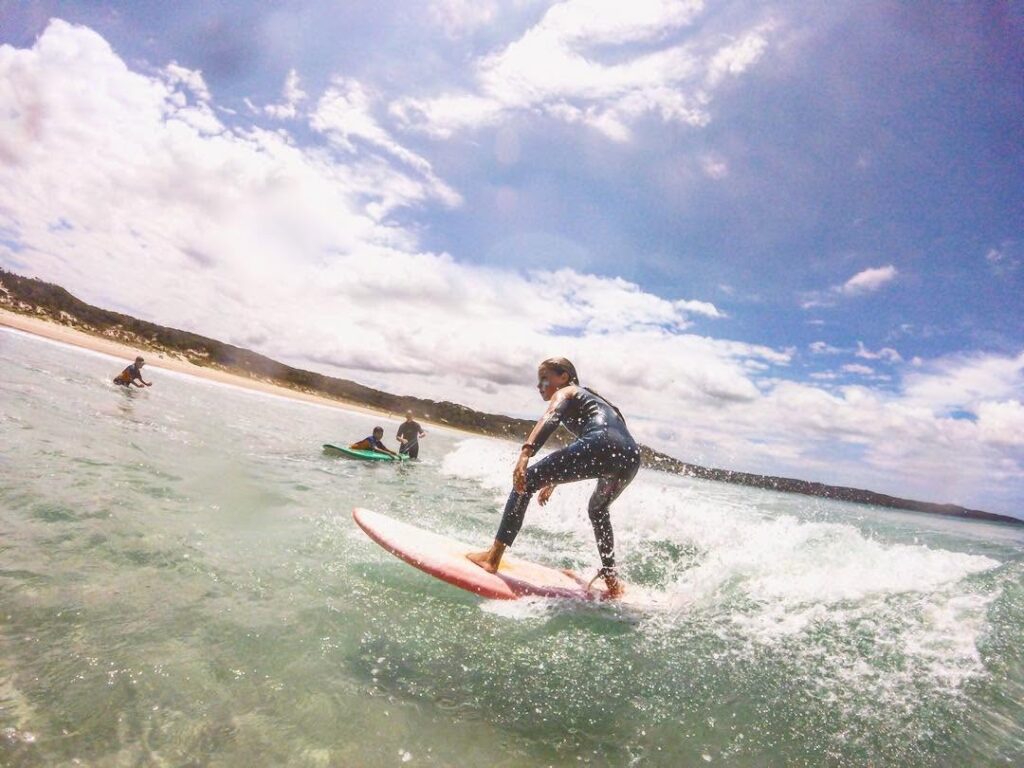
Surfing in Jervis Bay is rarely about the “big” waves you see in magazines. It is defined by the geography of the bay itself, which shelters the coast from the more aggressive swells that lash the open ocean further south. This makes it an honest, accessible place to learn. You aren’t fighting the ocean; you are learning to move with it.
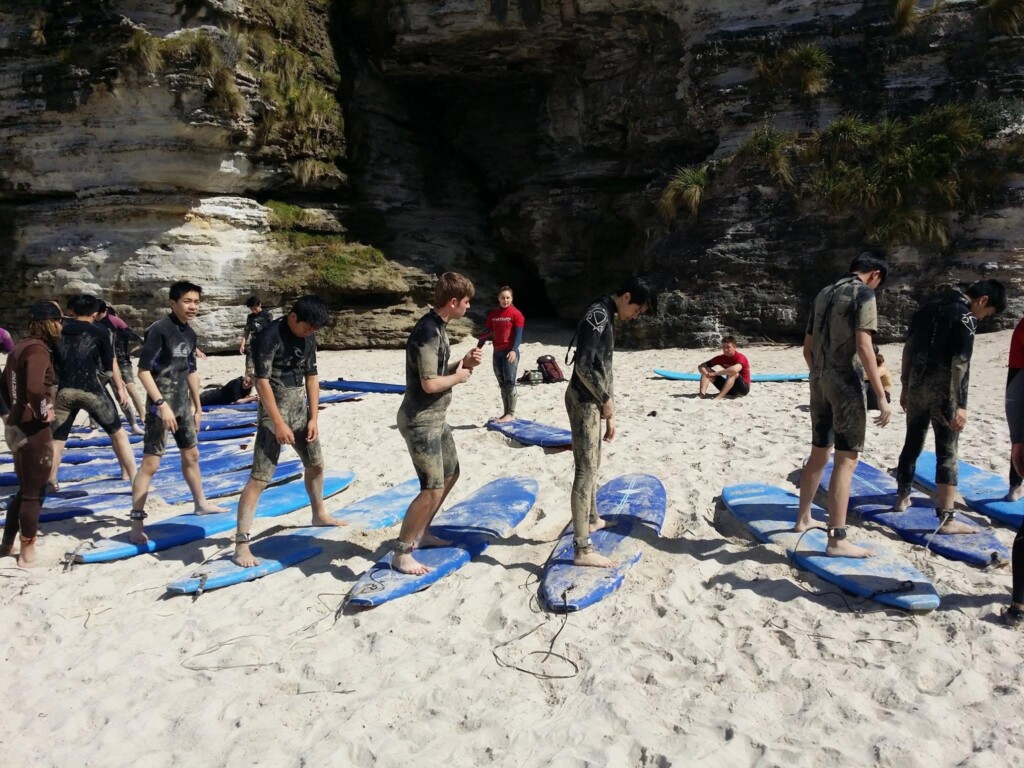
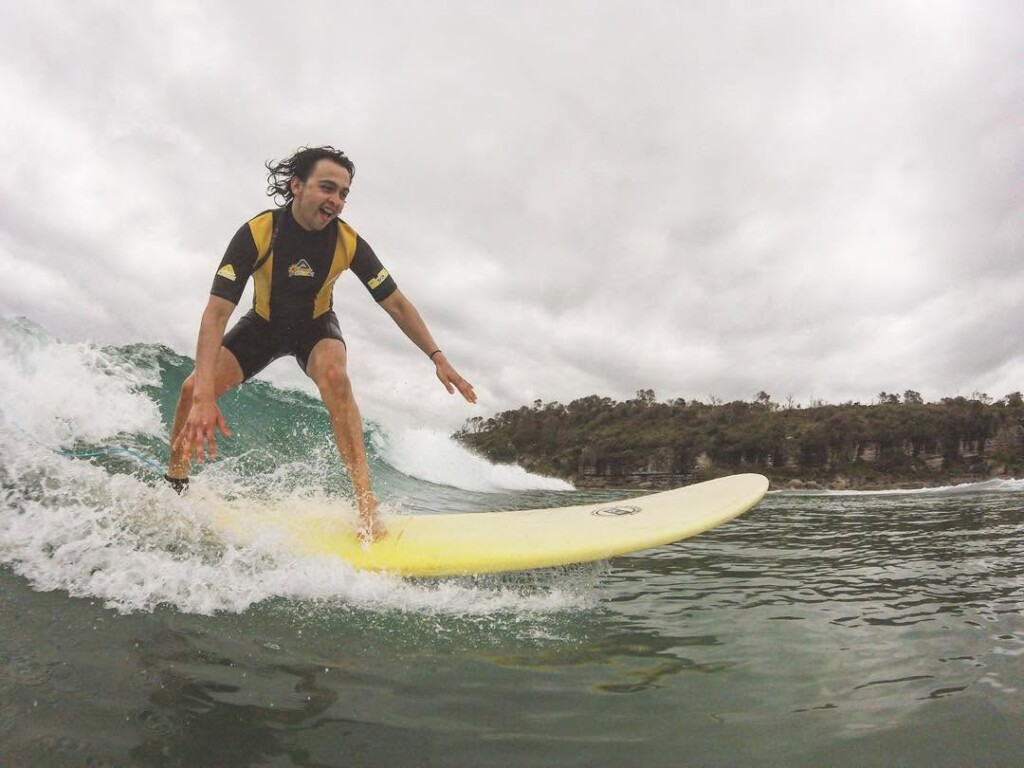
The instruction here is rooted in a specific brand of local patience. When you head out with a team like JB Surf School, the focus is on the fundamentals—balance, timing, and the quiet observation of the set. Jerry Brown, who has spent nearly three decades reading these specific breaks, approaches the lesson as a teacher would. The goal isn’t to force a result, but to provide a stable platform—often on high-buoyancy soft-boards—that lets the student find their own equilibrium.
Midday Shadows on the Track
There is a distinct shift in the water as the day progresses. In the early morning, the surface is often glassy, reflecting the pale, diffused light of dawn. By midday, a nor’easter might ruffle the surface, bringing a cooling breeze that signals it’s time to head in or find a more sheltered pocket. An experienced instructor understands these subtle shifts. They know that a lesson at 8:00 AM requires a different approach than one at 2:00 PM, and they adjust their location and technique to match the mood of the bay.
This is the beauty of learning here: you aren’t just standing up on a board. You’re learning why the tide matters, where the rips are, and how the bottom topography—that sharp, white quartz sand—influences the way the wave folds. It turns a recreational activity into a nuanced understanding of the coastal environment.
Practical Magic & Insider Edge
- The Wind Factor: Keep an eye on the forecast for a “nor’easter.” It usually picks up by early afternoon, making the water choppy. Book your lessons for the early morning sessions if you want the calmest, glassiest conditions.
- Gear Check: Trust the provided wetsuits. Even in the height of January, the water temperature can surprise you once you’ve been stationary for an hour. A good suit keeps your focus on the balance, not the chill.
- Parking Strategy: Huskisson and nearby beaches get packed during school holidays. Arrive early, park well back from the ramp, and give yourself twenty minutes to walk down. It clears the head before you hit the water.
- The Gear: You don’t need to bring a board. High-stability, soft-top boards are industry standard here for a reason. They offer the most forgiving platform for first-timers.
- Preparation: Check a local tide chart the night before. Knowing whether the tide is coming in or going out helps you understand why your instructor is picking a specific patch of sand for your session.
Local Hospitality: Staying with Experience Jervis Bay
After a few hours in the salt, your body carries a pleasant, heavy fatigue. The skin feels tight from the sun, and the routine of the world back home feels exceptionally far away. This is the moment when the right accommodation becomes essential. Finding comfortable accommodation that allows you to decompress can help you maintain your coastal momentum.
Returning to a house with a proper outdoor hot shower is a luxury you’ll appreciate after your first session. Rinsing off the sand and the salt in the open air, with the sound of the wind in the gums, is part of the ritual. Many of the properties managed by Experience Jervis Bay are designed for this kind of transition. Look for homes with deep verandas or protected courtyards where you can hang your wetsuit to dry in the afternoon sun while you sit with a drink and watch the light change.
If you are traveling as a family, a timber-lined cottage provides that grounding, unpretentious warmth. If it’s just the two of you, a sun-drenched pavilion offers a clean, quiet space to reflect on the day’s progress. The goal is to settle into a rhythm where the house feels like a home base, not just a place to sleep.
The “Perfect Day” Extension
Once you’ve found your feet on the board, keep the momentum local. Pair your morning session with a visit to one of the nearby bakeries in Huskisson—the kind where the locals stand in line, and everyone knows the person behind the counter. Follow that with a walk along the White Sands Walk, keeping an eye out for the pale, turquoise shallows that define Hyams Beach.