Choosing the Best Time to Visit Jervis Bay: Weather, Whales, and Water Conditions
| Experience Type | Seasonal Guide & Travel Planning |
| Best Time of Year | Year-round (Peaks in Summer for swimming, Winter for whales) |
| Ideal Duration | 3 to 5 Days |
| Atmosphere | Coastal, relaxed, nature-driven |
| Proximity to Hubs | Covers Huskisson, Vincentia, and Booderee National Park |
The “Why We Love It”: The Bay shifts distinctively with the seasons, offering quiet, clear water in autumn and a direct path to migrating humpbacks throughout winter.
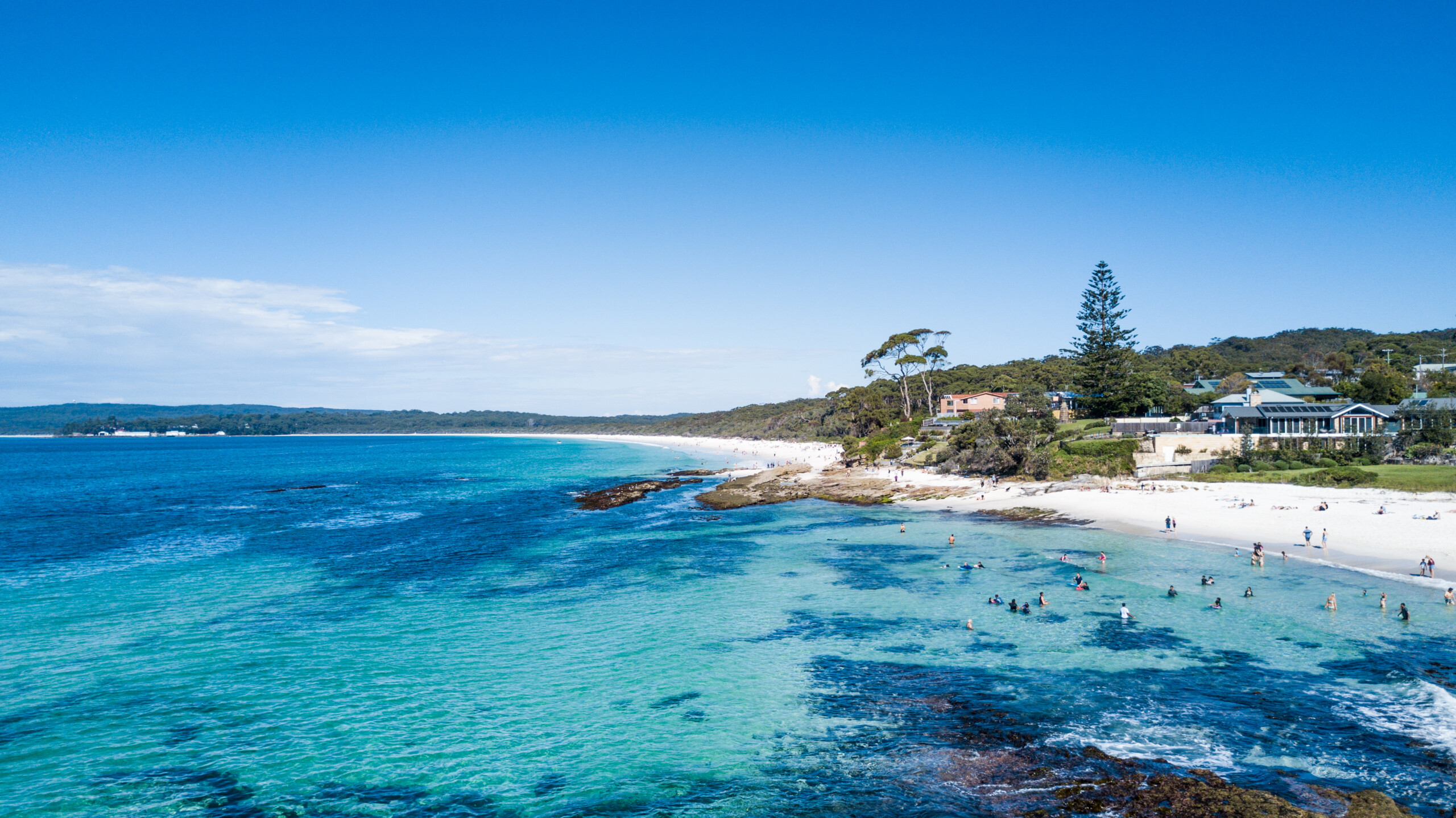
Jervis Bay does not shut down when the summer heat fades. The white sand of Hyams Beach and the clear water of Booderee National Park change character depending on the month you arrive. The angle of the sun shifts, the tides pull differently against the shoreline, and the coastal scrub sheds and regrows. Drivers heading down from Sydney or crossing over from Canberra will find that timing a trip comes down entirely to what you want to do on the water.
Summer brings the heat and the crowds, filling the beaches with umbrellas and swimmers. By winter, the water cools, the southerly winds pick up, and the focus shifts offshore as thousands of whales move up the coast. Understanding this cycle helps you align your trip with the actual conditions on the ground.
The Deep Dive: Seasonal Conditions on the Coast
Summer (December to February)
Summer is defined by long, hot days and warm water. Air temperatures average 27°C, and the ocean warms up enough for prolonged swimming and snorkeling. This is the peak window for paddleboarding at Murrays Beach or taking a dolphin-watching cruise out of Huskisson. The sun is intense, the sand is blindingly bright, and the coastal breeze usually kicks in by early afternoon to take the edge off the heat. Expect the main parking lots to fill by 9:00 AM on weekends and public holidays.
Autumn (March to May)
Autumn offers some of the clearest water visibility of the year. The summer crowds thin out, but the ocean retains its warmth well into April. Air temperatures drop to a comfortable range, making it highly practical for long walks along the White Sands Walk without the harsh midday sun. The coastal foliage starts to slow its growth, and the late afternoon light turns golden over the water. This is an ideal window for combining morning bushwalks in Booderee National Park with afternoon swims.
Winter (June to August)
Winter belongs to the whales. From June to August, the northern and southern humpback migrations overlap, flooding the oceanic waters just outside the bay with marine life. The air temperature hovers around 17°C, and the southerly swells can bring larger surf to places like Cave Beach. While the water is too cold for casual swimming without a wetsuit, the crisp, clear winter days are built for hiking, photography, and getting out on a commercial whale-watching boat.
Spring (September to November)
Spring acts as the transitional phase. The coastal heathland blooms with native wildflowers, and the days begin to lengthen. Humpback whales are still visible on their return journey south, often swimming closer to the shore with their calves. The water is still waking up from winter chills, but the air temperature climbs back into the low 20s.
To help visualize how the conditions line up with your plans, this interactive planner breaks down the core variables across the year:
Jervis Bay Seasonal Planner
Jervis Bay Seasonal Conditions
Key insight: If you want the highest concentration of whale sightings, aim for July when the migration paths intersect.
Practical Details & Visitor Tips
- Whale Watching Season: Officially runs from May to November. Book tours out of Huskisson well in advance during the July school holidays.
- National Park Entry: Booderee National Park requires a digital pass. Buy it online before you arrive, as mobile reception drops out near the entrance gates.
- Parking Strategy: During December and January, arrive at Hyams Beach or Greenpatch before 8:30 AM. Once the lots are full, rangers will turn cars away.
- Layering for the Coast: The temperature drops sharply when the sun goes down or the sea breeze hits. Pack a windproof jacket even in summer.
- Rainy Days: If the weather turns, head to the Jervis Bay Maritime Museum in Huskisson or use the indoor pools at the Bay & Basin Leisure Centre in Vincentia.
Local Hospitality: Staying with Experience Jervis Bay
Returning from a day on the water or the hiking trails requires the right setup. A practical holiday house gives you the space to dry out wetsuits, rinse the sand off your gear, and cook a meal without feeling cramped. Experience Jervis Bay offers holiday accommodation designed to give visitors a comfortable and convenient base for exploring the area. Most properties feature outdoor showers and large decks to catch the afternoon breeze. Having a functional base makes the logistics of a coastal trip straightforward.
For families traveling in the summer peak, homes in Vincentia offer direct access to calm water beaches and the local shopping village for quick supply runs. If you are coming down in winter for the whale migration, a quiet retreat in Huskisson puts you within walking distance of the tour boats and the local cafes. Look for properties with wood fireplaces or heavy winter bedding if you are booking between June and August.
The Extension
Nearby Options:
- Portside Cafe (for booking commercial boat tours and grab-and-go coffee)
- Booderee Botanic Gardens (sheltered walking tracks away from the coastal wind)
- Vincentia Marketplace (for stocking up on groceries and basic supplies)